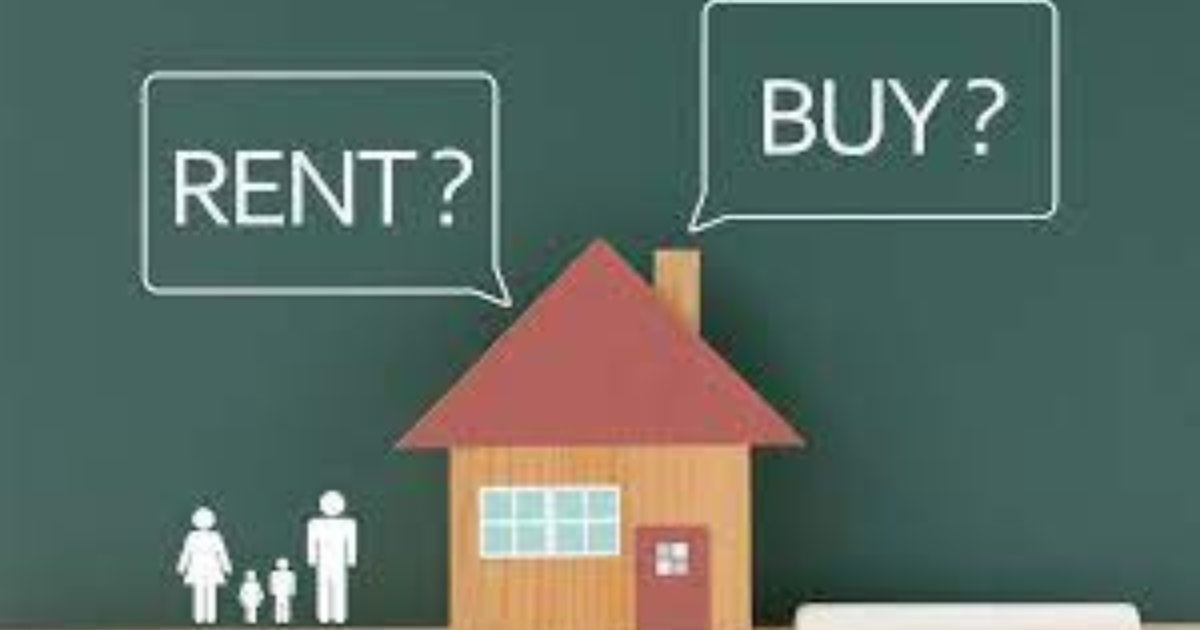
For many people, deciding whether to rent or buy a home is one of the biggest financial decisions they’ll ever make. Both options come with pros and cons that go beyond simple monthly payments. The right choice depends on your finances, lifestyle, and long-term goals.
Here’s a clear and balanced breakdown of the financial differences between renting and buying — to help you make a more informed decision.
1. The Financial Case for Renting
Renting often gets a bad reputation as “throwing money away,” but that’s not entirely fair. Renting can make strong financial sense depending on your situation, especially in high-cost housing markets or early in your career.
Pros of renting:
-
Flexibility: Renting allows you to move easily — ideal for students, professionals changing jobs, or anyone unsure about where they’ll settle long-term.
-
Lower upfront costs: Renters typically only need a security deposit and the first month’s rent, compared to the large down payment required to buy.
-
No maintenance costs: If something breaks, your landlord pays for repairs. These costs can add up significantly for homeowners.
-
Access to prime locations: Renting can allow you to live in areas that might be too expensive to buy in.
Cons of renting:
-
No equity: Your monthly rent doesn’t build ownership or long-term wealth.
-
Rising costs: Rent can increase each year, often faster than wages.
-
Limited control: You can’t renovate, and your landlord might decide to sell or not renew your lease.
Bottom line: Renting is financially smart for people prioritizing flexibility or saving for other investments — but it doesn’t build long-term assets.
2. The Financial Case for Buying
Buying a home is often seen as the ultimate financial milestone — and for good reason. Homeownership can create stability and long-term wealth, but it also comes with major responsibilities.
Pros of buying:
-
Equity growth: Each mortgage payment builds ownership in your home, unlike rent payments. Over time, your home’s value can appreciate, adding to your net worth.
-
Fixed payments: If you have a fixed-rate mortgage, your monthly payments remain stable, even if inflation rises.
-
Tax benefits: In some countries, mortgage interest and property tax deductions can reduce your taxable income.
-
Personal freedom: You can renovate, decorate, or expand your home as you wish.
Cons of buying:
-
High upfront costs: Down payments, legal fees, inspections, and stamp duty can add up to tens of thousands of pounds.
-
Maintenance expenses: From plumbing issues to roof repairs, you’re responsible for all upkeep.
-
Market risks: Property values can fall, especially during economic downturns.
-
Less flexibility: Selling a home takes time and can be costly if you need to move quickly.
Bottom line: Buying a home is a long-term investment that can grow your wealth, but it ties you down and requires financial discipline.
3. Crunching the Numbers: Monthly Costs
Let’s take a simple example. Suppose you can rent a home for £1,200 per month, or buy a similar property with a £250,000 mortgage at 4% interest over 25 years.
-
Mortgage payment: Around £1,320 per month.
-
Property taxes and maintenance: Add roughly £200 per month.
-
Total cost to own: About £1,520/month versus £1,200/month to rent.
At first glance, renting seems cheaper. However, part of your mortgage payment goes toward building equity, while rent doesn’t. Over time, homeowners might gain from rising property values — but they also take on risk if prices fall or interest rates rise.
4. Lifestyle and Financial Goals Matter
Choosing between renting and buying isn’t just about numbers — it’s about your life stage and priorities.
You might prefer renting if:
-
You expect to move within 3–5 years.
-
You don’t want the stress of property maintenance.
-
You’re still saving for a down payment or paying off other debts.
Buying may make sense if:
-
You plan to stay in one place long-term.
-
You want to invest in property as a long-term asset.
-
You can comfortably afford maintenance and mortgage costs.
Final Thoughts
There’s no one-size-fits-all answer to the renting vs. buying debate. Renting offers flexibility and lower upfront costs, while buying builds equity and long-term stability.
The best financial decision is the one that aligns with your current situation and future goals. Think about your income stability, savings, career plans, and lifestyle. For some, homeownership is a dream worth pursuing. For others, renting provides the freedom and financial breathing space to explore life on their own terms.