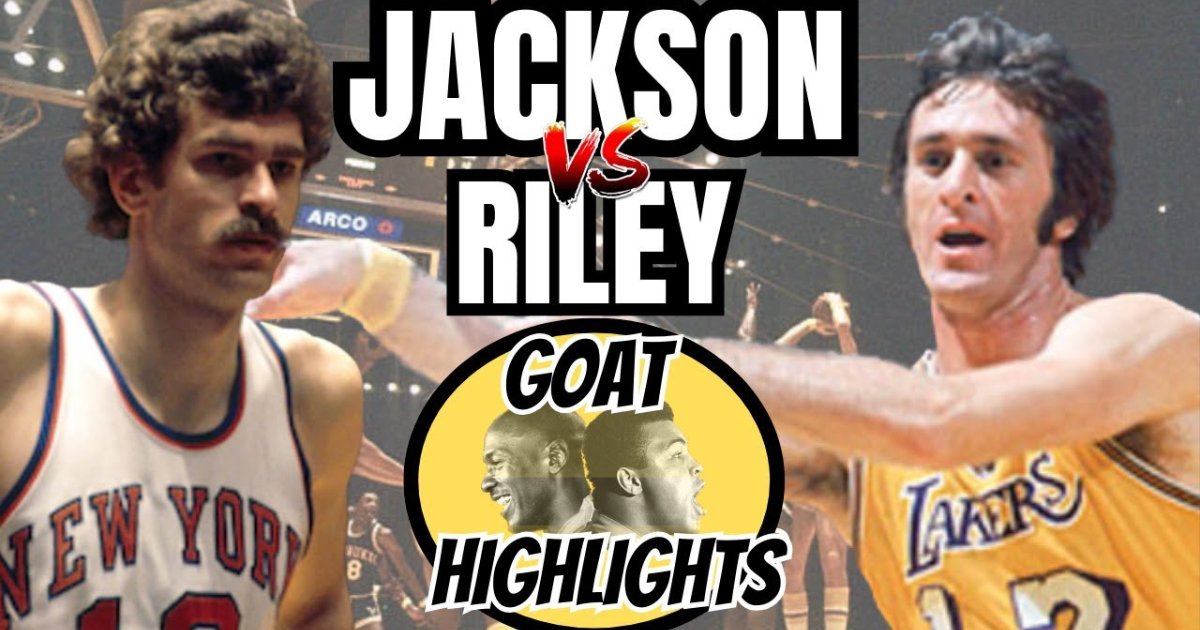
Few coaches in NBA history have shaped the game like Phil Jackson and Pat Riley. Both are legends in their own right — champions who defined eras and built dynasties through very different basketball philosophies.
Jackson’s Triangle Offense and Riley’s Fast Break systems represent two contrasting yet equally brilliant approaches to winning basketball. One prized structure and balance; the other, speed and aggression. Together, they showcase the diversity and evolution of basketball strategy.
1. Phil Jackson and the Triangle Offense: Control Through Flow
Phil Jackson’s success with the Chicago Bulls and Los Angeles Lakers wasn’t just about having superstars like Michael Jordan, Kobe Bryant, or Shaquille O’Neal. It was about how he used them within a selfless, fluid system known as the Triangle Offense.
Developed by Hall of Fame coach Tex Winter and perfected by Jackson, the Triangle — or “Triple-Post Offense” — emphasises spacing, movement, and teamwork. It positions three players in a triangle formation on one side of the court, while the other two space the floor. Every pass, cut, and screen is designed to create multiple options — keeping defences guessing and the ball moving.
Key Principles:
-
Read and react: Players make decisions based on how the defence responds — not set plays.
-
Equal opportunity: Every player is a potential scorer or playmaker.
-
Spacing and timing: Proper positioning opens passing lanes and driving opportunities.
Jackson’s approach wasn’t just tactical — it was philosophical. Known as the “Zen Master,” he focused on mindfulness, chemistry, and trust. The Triangle required patience and discipline; stars couldn’t dominate every possession. For Jordan and later Bryant, mastering it meant learning when to pass and when to take over — a balance that turned individual brilliance into team dominance.
Impact:
The result? 11 NBA championships for Jackson as a head coach. His teams were models of efficiency and poise, thriving under pressure because the system demanded — and built — composure.
2. Pat Riley and the Fast Break: Power and Pace
If Jackson was the architect of calm precision, Pat Riley was the commander of controlled chaos. Known for his slicked-back hair and fiery intensity, Riley led both the “Showtime” Lakers of the 1980s and the hard-nosed New York Knicks of the 1990s — two very different teams united by one thing: relentless competitiveness.
With the Lakers, Riley built an offense around speed and transition — famously dubbed the Fast Break. Centered on Magic Johnson’s vision, Kareem Abdul-Jabbar’s dominance, and James Worthy’s athleticism, the system thrived on tempo.
Every rebound or turnover became an opportunity to sprint down the court. Riley’s Lakers pushed the pace, creating highlight-reel plays and overwhelming opponents before they could set their defence.
Key Principles:
-
Push the tempo: Turn defence into offense immediately after securing the ball.
-
Spacing in transition: Wings sprint wide, bigs trail for follow-up opportunities.
-
Relentless conditioning: Players must maintain high speed for 48 minutes.
Riley’s Fast Break wasn’t just showmanship — it was strategy. He recognised that the Lakers’ unique combination of size, skill, and athleticism could thrive in the open court. By maximising possessions and tempo, he created one of the most exciting and effective offenses in NBA history.
Impact:
Under Riley, the Lakers won four championships and became the defining team of the 1980s. Later, with the Knicks and Miami Heat, he adapted his style — proving his brilliance by building slower, more physical teams when the roster demanded it.
3. Structure vs Speed: Two Paths to Greatness
The Triangle Offense and the Fast Break highlight two very different coaching mindsets:
| Phil Jackson (Triangle) | Pat Riley (Fast Break) |
|---|---|
| Focused on patience and precision | Emphasised speed and aggression |
| Prioritised teamwork and ball movement | Built around athleticism and tempo |
| Thrived in half-court sets | Dominated in transition play |
| Zen-like calm and discipline | Intensity and motivational fire |
While Jackson relied on balance and trust, Riley demanded energy and relentlessness. Yet both shared a common goal — empowering players to perform as one unstoppable unit.
4. Legacy and Influence
Even today, traces of both systems can be seen in modern basketball. The Golden State Warriors’ motion offense borrows elements of Jackson’s spacing and selfless play, while teams like the Sacramento Kings and Oklahoma City Thunder embrace Riley’s pace-driven philosophy.
Both coaches proved that success in basketball isn’t about one perfect system — it’s about matching tactics to talent and instilling belief in every player.
Final Thoughts
Phil Jackson and Pat Riley may have taken opposite paths, but they arrived at the same destination: championship excellence.
Jackson’s Triangle taught players to think and share, while Riley’s Fast Break taught them to attack and react. Together, their legacies remind us that great coaching isn’t about copying systems — it’s about creating the one that fits your team’s heart, identity, and rhythm.