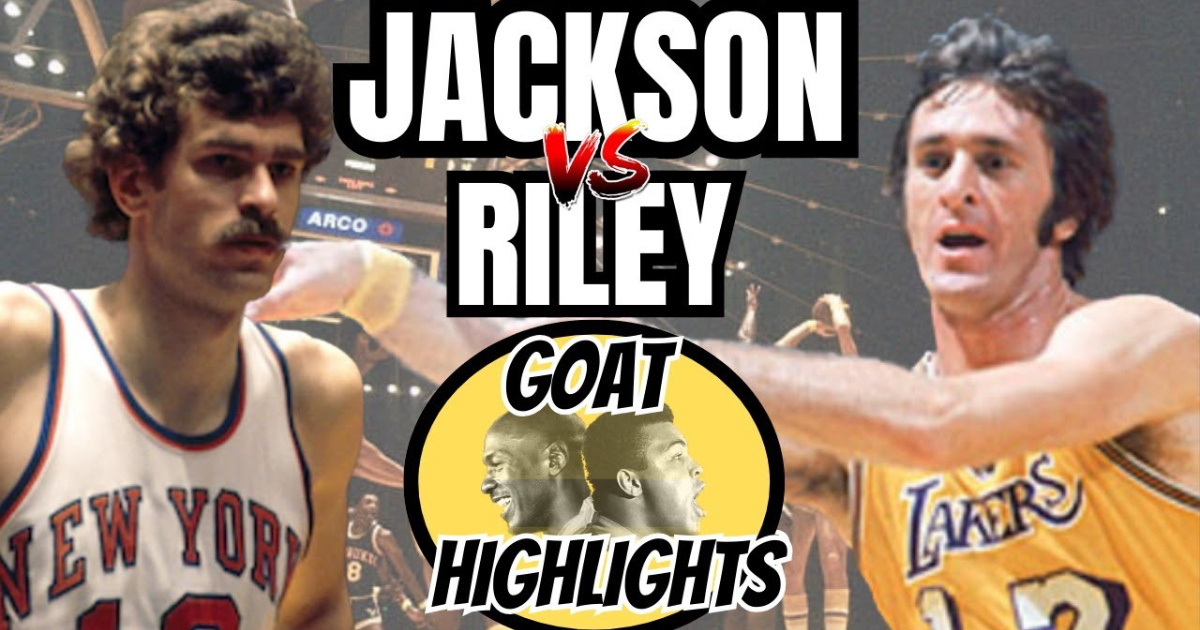
Basketball’s history is defined not just by its players, but by the coaches who revolutionized the way the game is played. Two of the most iconic figures in NBA history — Phil Jackson and Pat Riley — shaped eras of dominance through very different coaching philosophies. Jackson’s Triangle Offense emphasized balance, precision, and teamwork, while Riley’s Fast Break system thrived on speed, aggression, and relentless energy. Both approaches produced championships, dynasties, and lasting influence on modern basketball.
Phil Jackson and the Triangle Offense
Phil Jackson, known as the “Zen Master,” built his coaching legacy on the Triangle Offense, originally developed by coach Tex Winter. Jackson refined it into one of the most effective and cerebral systems in NBA history, leading the Chicago Bulls and Los Angeles Lakers to a combined 11 championships.
The Triangle Offense is based on spacing, movement, and decision-making rather than rigid play-calling. It divides the court into three strong-side positions (corner, wing, and post), allowing players to read the defense and react with freedom. Every player is involved — cutting, passing, screening, and rotating — creating a dynamic flow that keeps defenses guessing.
This system worked perfectly for stars like Michael Jordan, Scottie Pippen, Kobe Bryant, and Shaquille O’Neal, as it balanced superstar talent with team cohesion. The philosophy behind it also reflected Jackson’s emphasis on mindfulness and unity, turning his teams into mentally disciplined and selfless units.
Key Features of the Triangle Offense:
-
Emphasis on spacing and constant motion
-
Equal opportunity for scoring from multiple positions
-
Decision-making based on defensive reads
-
Encourages teamwork over isolation plays
Impact:
Jackson’s system reshaped the idea of modern offense, proving that structure and freedom can coexist. It remains a blueprint for team-oriented basketball success.
Pat Riley and the Fast Break System
While Jackson’s teams thrived on patience and precision, Pat Riley’s philosophy was built around intensity, pace, and pressure. Riley’s coaching career — from the “Showtime” Lakers of the 1980s to the tough, defensive Miami Heat of the 2000s — showed his adaptability, but at his core was the Fast Break system that defined basketball excitement in the 1980s.
With Magic Johnson, Kareem Abdul-Jabbar, and James Worthy leading the charge, Riley’s Lakers revolutionized the NBA with their up-tempo offense. His system emphasized quick transitions, early scoring opportunities, and fluid ball movement before the defense could set up. The result was a breathtaking style that overwhelmed opponents and turned the Lakers into a dynasty.
Beyond offense, Riley’s teams were also defensively disciplined. He believed that great defense fuels fast breaks, using turnovers and rebounds as launchpads for high-speed attacks.
Key Features of the Fast Break System:
-
Quick outlet passes and sprinting the lanes
-
Scoring before the defense organizes
-
Emphasis on conditioning and mental toughness
-
Defense as the starting point of offense
Impact:
Riley’s style popularized entertaining, high-octane basketball, setting the foundation for today’s pace-and-space era. The “Showtime” Lakers not only won four championships but also redefined the NBA’s global appeal.
Comparing the Two Philosophies
| Aspect | Phil Jackson (Triangle Offense) | Pat Riley (Fast Break System) |
|---|---|---|
| Core Philosophy | Structure, balance, and mindfulness | Speed, aggression, and intensity |
| Offensive Focus | Half-court execution, spacing, decision-making | Transition scoring, tempo control |
| Ideal Players | Skilled passers and high-IQ scorers | Athletic, fast, and conditioned players |
| Defensive Approach | Team rotations and discipline | Pressure defense leading to transition |
| Famous Teams | Chicago Bulls (1990s), LA Lakers (2000s) | LA Lakers (1980s), Miami Heat (1990s–2000s) |
| Legacy | Emphasized unity and basketball intelligence | Popularized fast-paced, entertaining play |
Both systems reflected their coaches’ personalities — Jackson’s calm, philosophical approach contrasted with Riley’s fiery, motivational style. Yet both shared an unrelenting pursuit of excellence and adaptability to their players’ strengths.
Modern Influence
Elements of both philosophies are visible in today’s NBA. Teams like the Golden State Warriors blend Jackson’s spacing and motion concepts with Riley’s tempo and transition emphasis. Modern offenses value both ball movement and fast play, proving that these legendary coaches laid the foundation for basketball’s evolution.
Conclusion
Phil Jackson and Pat Riley stand as two of the greatest minds in basketball history — visionaries who approached the same game from opposite ends of the spectrum. Jackson’s Triangle Offense created harmony through structure and teamwork, while Riley’s Fast Break system ignited chaos through speed and power. Both produced champions, redefined eras, and influenced generations of players and coaches.
Their legacies remind us that there’s no single formula for success — only the brilliance of understanding your team, your philosophy, and the game itself.