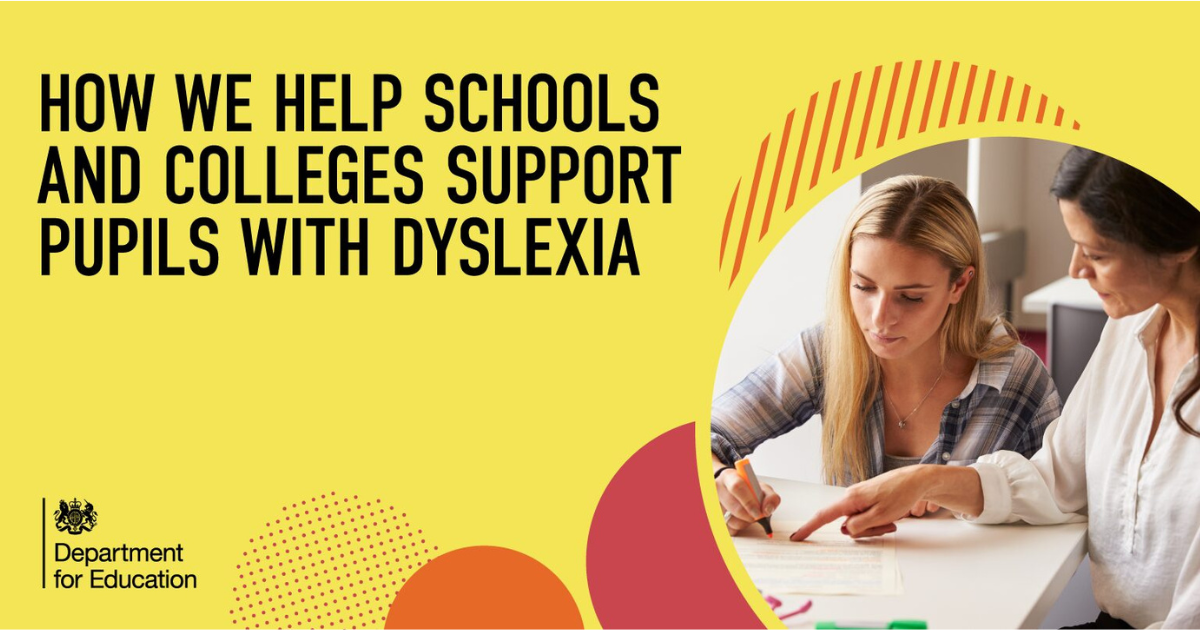
Dyslexia is one of the most common learning differences in the UK, affecting around 1 in 10 people. It’s not a sign of low intelligence — in fact, many people with dyslexia are highly creative and excel in problem-solving, storytelling, and visual thinking. Understanding dyslexia, its signs, and the support available in UK schools can make a huge difference in helping children achieve their full potential.
1. What Is Dyslexia?
Dyslexia is a specific learning difficulty (SpLD) that primarily affects skills involved in reading, writing, and spelling. It’s a neurological condition, often hereditary, that impacts how the brain processes language.
People with dyslexia may have difficulties with:
-
Recognising written words quickly and accurately.
-
Spelling and sequencing letters.
-
Reading comprehension and fluency.
-
Organising thoughts in writing.
-
Remembering verbal instructions.
However, dyslexia doesn’t affect intelligence or creativity. Many successful individuals — from entrepreneurs like Richard Branson to authors like Agatha Christie — have had dyslexia.
2. Early Signs of Dyslexia in Children
Early identification is key to providing effective support. Teachers and parents should look for signs at different stages of development:
In Early Years (Ages 3–6):
-
Trouble learning nursery rhymes or recognising rhyming words.
-
Difficulty remembering alphabet letters or simple words.
-
Problems with speech clarity or mixing up similar-sounding words.
-
Struggles with learning colours, shapes, or days of the week.
In Primary School (Ages 7–11):
-
Slow and effortful reading.
-
Frequent spelling mistakes with inconsistent patterns.
-
Difficulty copying from the board or following written instructions.
-
Avoiding reading aloud or written work.
-
Strong verbal skills but weak literacy performance.
In Secondary School and Beyond:
-
Slow reading speed, especially under time pressure.
-
Difficulty planning essays or remembering sequences.
-
Problems taking notes or keeping organised.
-
Frustration or low confidence in academic settings.
If several of these signs persist, a formal assessment can help identify dyslexia and guide the right support.
3. How Dyslexia Is Diagnosed in the UK
Schools play a vital role in identifying and supporting dyslexic students. The process typically involves:
-
Initial Screening: Conducted by teachers or a school’s Special Educational Needs Coordinator (SENCO) to identify potential difficulties.
-
Observation and Monitoring: The SENCO may implement extra support and monitor progress.
-
Formal Assessment: If difficulties persist, a specialist dyslexia assessor or educational psychologist can carry out a diagnostic assessment.
The resulting dyslexia report outlines strengths, weaknesses, and recommended support strategies.
4. Support for Dyslexic Students in UK Schools
UK schools are required by law (under the Equality Act 2010 and SEND Code of Practice 2015) to make reasonable adjustments for students with dyslexia. This ensures they can access learning on equal terms.
Common school-based support includes:
-
Differentiated Teaching: Teachers adapt lessons using multisensory methods — visual aids, audio materials, and hands-on activities.
-
Assistive Technology: Tools such as text-to-speech software, spell checkers, and reading pens help dyslexic students learn more independently.
-
Extra Time in Exams: Students with dyslexia often qualify for additional time or a reader/scribe during assessments.
-
Small Group or 1:1 Support: Targeted literacy interventions focusing on phonics, spelling, and reading comprehension.
-
Alternative Assessment Methods: Oral presentations or projects instead of heavy written work.
5. The Role of SENCOs and Teachers
The Special Educational Needs Coordinator (SENCO) ensures that students with dyslexia receive the right support. They work with teachers, parents, and external specialists to develop Individual Education Plans (IEPs) or Support Plans tailored to the child’s needs.
Teachers are encouraged to:
-
Give clear verbal instructions and written summaries.
-
Use coloured overlays or print on pastel backgrounds to reduce visual stress.
-
Avoid overloading students with text-heavy tasks.
-
Praise effort and progress to build confidence.
6. Resources and Organisations for Parents and Students
There are many UK-based charities and organisations that provide guidance, training, and support for dyslexia:
-
British Dyslexia Association (BDA): Offers advice, training, and an online Dyslexia Style Guide for inclusive learning.
-
Nessy: Provides online games and literacy programs for dyslexic learners.
-
Dyslexia Action: Offers assessments, tuition, and teacher training.
-
Patoss: Professional association for assessors and teachers of students with SpLDs.
-
Helen Arkell Dyslexia Charity: Provides specialist assessments and workshops for families.
Parents can also explore their Local Authority’s Local Offer, which outlines SEN support services in their area.
7. Building Confidence and Emotional Wellbeing
Children with dyslexia may experience frustration or low self-esteem due to repeated struggles with reading or writing. Parents and teachers can help by:
-
Celebrating non-academic strengths (art, music, technology, sports).
-
Encouraging growth mindset language (“You can improve with practice”).
-
Connecting children with dyslexic role models.
-
Creating a positive reading environment at home — using audiobooks, comics, or podcasts.
Emotional wellbeing is just as important as academic support. Schools may also offer counselling services or learning mentors to help students cope.
8. Dyslexia and Exams
When a student has a confirmed diagnosis, schools can apply for Access Arrangements in national exams like GCSEs and A-Levels. These may include:
-
Extra time (typically 25%).
-
Use of a reader, computer, or spell checker.
-
Rest breaks during exams.
These adjustments ensure that dyslexic students are assessed on their knowledge — not their reading speed or spelling ability.
9. Life After School: Dyslexia in Higher Education and Work
Dyslexic students continuing to university can access additional support through the Disabled Students’ Allowance (DSA). This may cover:
-
Specialist software (speech-to-text, mind mapping tools).
-
Study skills tutoring.
-
Equipment grants.
In the workplace, the Equality Act 2010 protects employees with dyslexia from discrimination. Employers are encouraged to provide reasonable adjustments such as training, extra time for written tasks, or assistive tech.
Final Thoughts
Dyslexia doesn’t define a child’s intelligence, potential, or future success. With early identification, the right support, and encouragement, dyslexic learners can excel academically and creatively.
The UK education system offers robust frameworks to ensure every dyslexic student gets the help they need — but parental awareness and advocacy remain key. Recognising the signs early and working closely with schools can transform challenges into opportunities for growth and confidence.