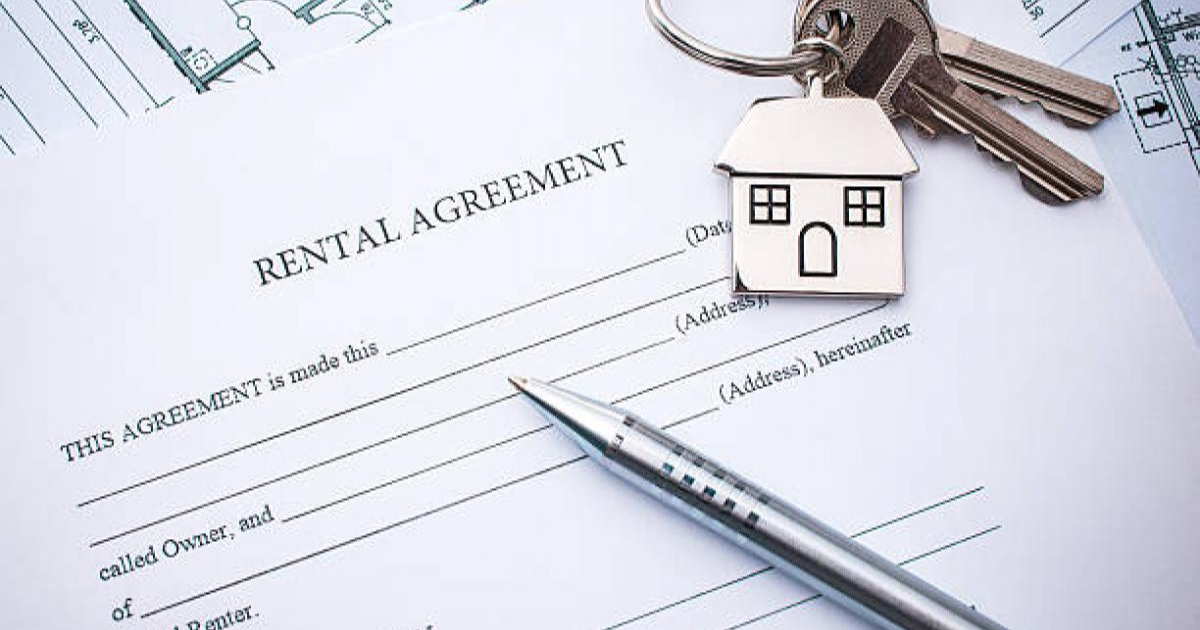
Whether you’re renting your first flat or renewing a long-term lease, negotiate rent and terms can feel intimidating. But here’s the truth: landlords expect negotiation — and knowing how to do it can save you hundreds, even thousands, each year.
With rising living costs and a competitive rental market, learning how to approach these discussions confidently can make all the difference. Here’s how to negotiate rent or lease terms like a pro.
1. Do Your Homework
Before you make any offer, arm yourself with information.
Research average rental prices for similar properties in your area using sites like Rightmove, Zoopla, or SpareRoom. Take note of square footage, amenities, location, and whether bills are included.
If your rent is above local averages, you have a solid argument for requesting a reduction or better terms. Even if prices have risen, knowing what’s reasonable gives you leverage and credibility.
Pro tip: Gather at least three examples of comparable properties. It shows the landlord you’ve done your research and are negotiating based on facts, not emotion.
2. Time Your Negotiation Strategically
Timing is everything.
If you’re renewing your lease, reach out one to two months before it ends. This gives both you and your landlord enough time to discuss changes without pressure.
If the property has been on the market for a while, landlords are often more open to offers. Vacant properties cost them money — so offering to move in quickly or sign a longer lease can strengthen your case.
3. Lead With Professionalism and Positivity
Negotiation doesn’t have to be confrontational. In fact, politeness and professionalism usually go further than hard bargaining.
Start by expressing appreciation for the property and your positive experience (if you’re a current tenant). Then calmly explain why you believe a rent adjustment or specific change is fair.
Example:
“I’ve really enjoyed living here, and I’d like to renew for another year. I’ve noticed similar flats nearby are renting for about £100 less per month — would you consider adjusting the rent to reflect the current market?”
By framing it cooperatively rather than combatively, you create a win–win tone that encourages compromise.
4. Offer Something in Return
Negotiation works best when both sides gain something. If you’re asking for a rent reduction, think about what you can offer in return.
Some useful bargaining chips include:
-
Signing a longer lease (12–18 months for stability)
-
Paying rent early or upfront (if financially possible)
-
Agreeing to minor maintenance yourself (like lawn care or small repairs)
-
Being flexible with move-in dates
These gestures show reliability and make you more appealing as a tenant — often worth a small discount to a landlord seeking stability.
5. Don’t Forget the Other Terms
Rent isn’t the only negotiable part of a lease. If the monthly amount is non-negotiable, look at other areas that can save money or improve your living situation.
You could ask for:
-
Utilities or Wi-Fi included in the rent
-
A break clause allowing you to leave early if needed
-
Permission to redecorate or install upgrades
-
Parking, storage, or furnishings added to the deal
Even if the rent itself doesn’t change, these added perks can boost value and comfort without extra cost.
6. Put Everything in Writing
Once you’ve reached an agreement, always get it in writing. Ask your landlord or agent to provide an updated tenancy agreement reflecting the new rent, dates, and terms. Never rely solely on verbal promises — they’re easy to forget and difficult to enforce later.
7. Be Prepared to Walk Away
Finally, know your limits. If the landlord won’t negotiate and the rent exceeds your budget or market value, it may be time to keep looking. Sometimes walking away is the strongest negotiation move you can make.
With plenty of rental options available (especially outside city centres), being patient and flexible can often lead to a better deal elsewhere.
Final Thoughts
Negotiating rent isn’t about confrontation — it’s about communication and value. By researching, preparing, and presenting yourself as a responsible tenant, you can often secure fairer terms or added benefits.
Remember: landlords appreciate stability just as much as you appreciate affordability. Approach the conversation with confidence, respect, and realistic expectations, and you’ll maximise your chances of landing a deal that works for both sides.